

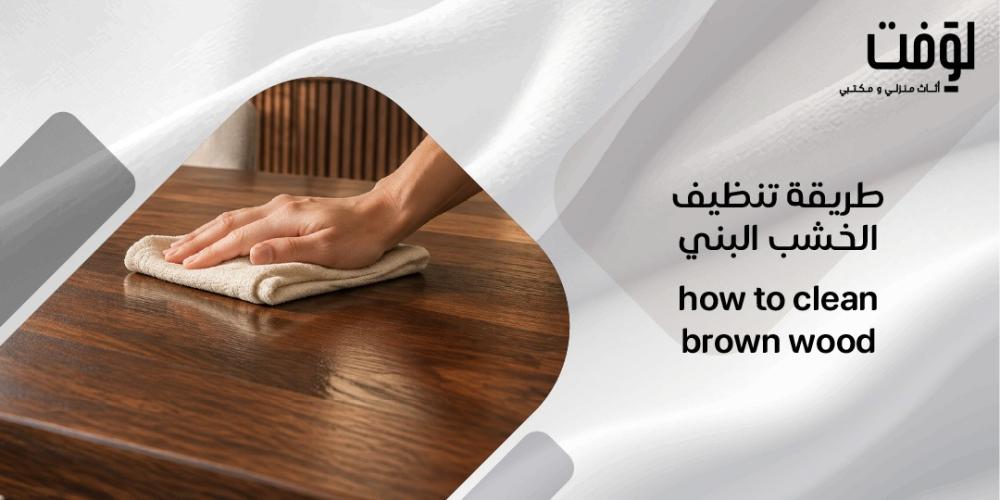
Brown wooden furniture imparts an unmatched warmth and elegance to any home, yet it readily shows dust, fingerprints, and water rings. Over time, these marks accumulate on dining tables, cabinets, and nightstands, stripping the wood of its natural luster.
This guide walks you through a safe, proven routine for caring for wooden furniture in bedrooms, living rooms, and home offices. You will learn the step-by-step method for cleaning brown wood—from dusting with microfiber cloths to tackling stubborn stains—alongside essential warnings regarding finish types to ensure your furniture surface remains undamaged.
If you are looking for coordinated brown furniture worth this level of care, Loft offers a wide selection of elegant wooden pieces designed to complement your home decor. Proper care begins at selection, when you choose quality pieces built to last, while regular maintenance preserves the rich warmth of brown wood for years to come.
Preparing Tools and Wood Surfaces
Successfully cleaning brown wooden furniture starts long before opening a bottle of polish or mixing a solution. Preliminary steps determine whether the final result preserves the beauty of the surface or inadvertently causes damage.
1. Identifying the Surface Finish First, determine the nature of the surface you are working with. Is it solid natural wood coated with lacquer or varnish? Does it feature an oil finish? Or is it a thin wood veneer bonded to an engineered board? A wood finish dictates its tolerance to moisture and cleaning agents, as products safe for lacquered solid wood may cause veneers to warp or peel if exposed to excess moisture.
2. Selecting the Right Cloths After identifying the surface finish, choosing the right wiping tool is equally critical. Lint-free microfiber cloths offer effective protection for the finish during cleaning.
It is recommended to dedicate three separate microfiber cloths for different tasks:
- A dry cloth to remove surface dust and loose particles before introducing any moisture.
- A slightly damp cloth for light cleaning using minimal amounts of diluted cleaner.
- A clean, dry cloth reserved exclusively for drying the surface immediately after wiping.
Removing sand grains and dust before wiping is an essential step; these small particles act as fine abrasives that scratch the surface finish when dragged across the wood.
Avoid rough paper towels, abrasive sponges, scouring powders, and all mechanical scraping tools, as well as harsh acidic or alkaline cleaners not specifically formulated for wood.
3. Testing the Solution Before applying any cleaning solution to the entire piece, test the cleaner on a hidden spot. Apply a minute amount to a rear edge or an inconspicuous area, wipe gently, dry thoroughly, and observe the surface for several minutes for changes in color, sheen, or texture. If the finish remains unchanged, proceed to clean the rest of the piece with confidence.
Daily Cleaning Routine
Maintaining wooden furniture relies on a simple yet precise daily routine. A quick wipe is rarely sufficient; following a proper sequence prevents dust accumulation and fine surface scratches.
1. Dusting First Before applying any liquid cleaner, thoroughly dust the dry surface. Dust accumulated on a brown wooden cabinet or table forms an abrasive paste when mixed with liquid, which scratches the finish. Pass a dry microfiber cloth across the entire surface first to establish a clean base.
2. Gentle Wiping For light dirt and fingerprints, mix lukewarm water with a few drops of mild dish soap. Wring the cloth thoroughly until it is slightly damp rather than wet. Always apply the solution directly to the cloth instead of spraying it onto the wood, as direct spraying causes liquid to pool in joints and edges.
Follow these steps when wiping dark wood or cleaning brown cabinets:
- Wipe following the direction of the wood grain, never against it.
- Move systematically from edges and corners inward toward handles and hardware.
- Apply light pressure without forcing the cloth into the surface.
- Avoid scrubbing repeatedly over the same spot.
3. Immediate Drying After completing the damp wipe, use a clean, dry cloth to dry each section immediately. Never allow wooden furniture to air-dry while damp. Wood absorbs moisture easily; excessive water exposure leads to white rings, finish discoloration, or surface warping depending on the protective layer present. Immediate drying ensures a safe, consistent finish.
Stain and Mark Removal
Stains differ in composition; what works for a water ring may not resolve a grease spot. Treating surface marks requires identifying the stain type and finish condition. The guiding rule is to begin with the gentlest solution and test every method on a hidden area first, as aggressive treatments can damage the finish more than the original stain.
1. Water Rings and Glass Marks Removing water stains from brown wood requires immediate action. Wipe spilled liquids instantly using a soft, dry cloth. If a light ring remains, use a slightly damp cloth and dry the area immediately. Removing glass rings from dark wood requires delicate handling; do not scrub the ring forcefully or leave moisture on the surface, as prolonged dampness converts minor marks into permanent finish damage.
2. Grease and Sticky Residue Cleaning grease stains off wooden tables calls for patience and gentle tools rather than harsh chemicals. Follow this process:
- Wring a soft cloth thoroughly with lukewarm water until damp.
- Add a few drops of mild, fragrance-free dish soap containing no abrasive particles.
- Wipe the affected area using smooth, gentle strokes without aggressive friction.
- Remove remaining soap residue with a fresh damp cloth, then dry the section immediately with a dry cloth.
Never soak the wood or use excessive soap; liquid build-up damages the clear coat and promotes wood swelling or discoloration.
3. Ink, Scratches, and Burns Ink stains, deep burns, severe scratches, peeling, or widespread discoloration require specialized treatment. Avoid using random solvents, rubbing alcohol, or abrasive materials, as the wrong chemical damages the clear coat far more than the initial stain.
First evaluate the finish type, as varnish tolerates different treatments than wax or oil finishes. If the protective topcoat is structurally compromised, consulting a professional wood restorer is the safest course of action. Deep burns and structural scratches cannot be erased through standard home cleaning.
Safely Restoring Shine
After cleaning brown wood and removing surface dirt, polishing restores its natural richness and luster. Polishing is not a substitute for cleaning; it must follow a thorough wipe-down. Applying polish over an uncleaned surface traps dirt and creates a cloudy, sticky build-up.
1. Polishing After Cleaning Polishing should only begin once the surface is clean and completely dry. Never apply polish over dust or lingering moisture. Use wood polishes compatible with your specific finish type in minimal quantities, applying the product to a soft cloth rather than directly onto the wood. Always follow product guidelines and test on a hidden area first to verify compatibility.
2. Olive Oil and Vinegar Solution For a natural alternative, a simple mix of white vinegar and olive oil can be used for light cleaning and polishing on certain wood finishes. Apply the mixture to a cloth—never spray it directly onto the wood—use minimal quantities of oil, and buff away any excess thoroughly. Residual oil attracts dust and forms a thick film that dulls the furniture over time.
Note: Vinegar and oil mixtures are not suitable for all finish types or manufactured veneers. Test in an inconspicuous area first and stop immediately if you notice changes in color, sheen, or texture.
3. Preventing Future Fading Preserving your furniture's luster extends beyond cleaning and polishing to daily habits that protect dark wood from environmental degradation:
- Wipe spills instantly before liquids penetrate wood fibers or leave permanent rings.
- Use coasters and trivets to guard wooden surfaces against heat and moisture.
- Position furniture away from direct heat sources such as radiators and AC vents, which dry out wood and reduce its elasticity.
- Minimize prolonged exposure to direct sunlight, which causes color fading and gradually alters the tone of brown wood.
Featured Brown Furniture from Loft
If you are looking for brown furniture pieces that add authentic warmth to your home without compromising on elegance, Loft offers a curated selection combining aesthetics and utility. These pieces complement both traditional wood accents and modern decor styles:
1. Modern Brown Bed (180x200 cm) Fully upholstered in high-quality brown fabric, this 180 x 200 cm bed provides ample space for two adults to sleep comfortably. It features a padded headboard and front panel that deliver comfortable support for reading or watching television, alongside medium-height legs that enhance stability and facilitate cleaning underneath.
Its warm brown tone coordinates with wood-themed or contemporary bedrooms. Note that this bed features fully upholstered fabric rather than a wooden surface, so standard wood-cleaning methods do not apply; follow fabric care instructions to maintain its appearance.
2. Brezza Sideboard A brown wooden sideboard measuring 180 cm wide, 47.5 cm deep, and 86 cm high, equipped with three doors and generous interior storage space for dining or living rooms. Its modern clean-lined design makes it a storage and display piece, while its top surface provides an ideal platform for decorative accents.
The sideboard’s smooth wood surface is easy to clean and maintain. When following brown wood cleaning methods on this piece, test any cleaning solution on an inconspicuous spot first and dry the surface immediately to protect it from moisture. This Loft piece offers a stylish option for combining functional storage with clean design.
Frequently Asked Questions
What is the best material for cleaning wood? The best material for daily cleaning of brown wood is a soft, dry or slightly damp microfiber cloth. For light soil, use lukewarm water mixed with a few drops of mild dish soap on a thoroughly wrung cloth, followed by immediate drying.
What is a good homemade solution for cleaning wood? A mixture of white vinegar and olive oil can be used on select wood finishes for light cleaning and polishing. Apply the mixture to a cloth—never directly to the wood—test it first in an inconspicuous area, and thoroughly buff away any excess oil.
What is the best mild cleaner for wooden furniture? The safest cleaner for most finishes is lukewarm water mixed with a small amount of mild dish soap rather than harsh chemicals or abrasive products. Avoid soaking the surface or leaving soap residue, as both can degrade the protective topcoat.
What are the best products for polishing wood? The most effective polishing agents are commercial wood polishes matched to your specific finish type, or a pre-tested natural oil mixture applied sparingly. Always polish after the wood has been thoroughly cleaned and dried to prevent sticky build-up or alterations in surface sheen.
Cleaning brown wooden furniture relies on three core rules: remove dry dust with a soft cloth first, use minimal moisture alongside a mild cleaner when necessary, and dry the surface immediately before moisture penetrates the wood. Always test cleaning products on an inconspicuous area first to preserve the color and finish of your furniture.
To create a warm home with functional brown furniture, explore the Loft collection to find pieces that match your space, and maintain them with a regular care routine to keep them looking brand new.